
ABC 57: A new safety center is working to keep families together
Oct 16 2025


Geminus Prevention Services and its partners offer innovative approaches to preventing suicide
Conversations about suicide prevention often center on risk factors. Amanda Morrison, Director of Prevention Services at Geminus, is trying to re-frame that perspective.
“What we want to do with all of our programs is make the conversation about increasing the protective factors for our young people, adults and communities,” she said of the five-person staff in Prevention Services. “Essentially, we want to provide tools and skills that will assist them through their lives when challenging situations arise. We want everyone to know that resources are out there, and we want to be that resource and referral source, so people get what they need. We want everyone to succeed.”
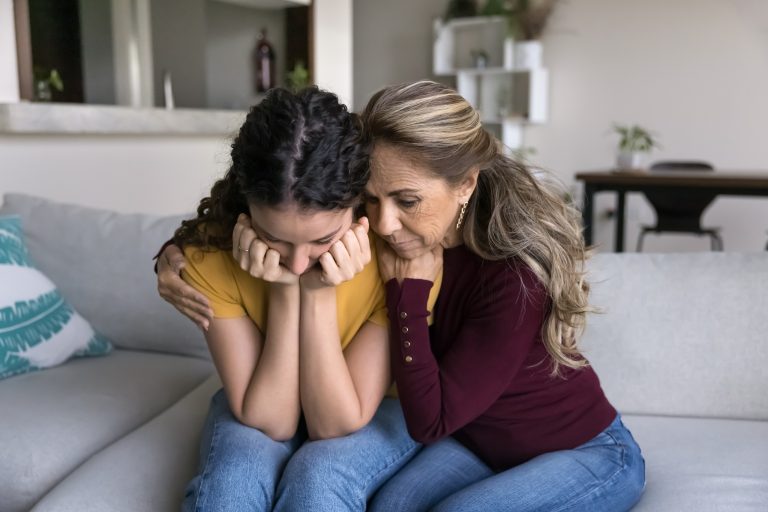
September is Suicide Prevention Awareness Month. Beyond raising awareness, the designation promotes hope and normalizes help-seeking, according to the Substance Abuse and Mental Health Services Administration (SAMHSA). Connecting individuals with suicide ideation to treatment and acknowledging those who have been affected by suicide are other priorities during the month.
Nearly 50,000 people died by suicide in 2023, or one person every 11 minutes, the Centers for Disease Control reports. Suicide was among the top eight leading causes of death that year for people ages 10-64, and the second leading cause of death for people ages 10-34, according to the CDC.
Indiana’s suicide rate of 17 per 100,000 people, or 1,187 people in 2023, is higher than the national average.
“Designating September as Suicide Prevention Awareness Month is important because it opens up the conversation,” Morrison said. “It gives a forum to talk about it and to help de-stigmatize mental health and addiction issues, which truly go hand-in-hand a lot of times.”
The hope component of Suicide Prevention Awareness Month also is important, she said.
“This month provides hope that everything can get better,” Morrison said. “Suicide is 100 percent preventable because of the tools and resources out there.”
And prevention is cost-effective.
“An ounce of prevention saves a pound of treatment,” she said.
With support from nearly 60 community partners and state, federal and local grants, Geminus Prevention Services uses evidence-based and environmental strategies and media campaigns to train youth, adults, agencies and communities across Northwest Indiana to build safe and healthy communities. Part of that mission is suicide prevention services, which are provided for free. More popular programs include:
To coincide with Suicide Prevention Awareness Month, Prevention Services workers are performing mental health training in East Chicago schools and QPR training for students at Indiana University Northwest. And on Nov. 7 in Merrillville, Geminus is partnering with several organizations to present, “Shattering the Silence: Suicide Prevention for Diverse At-Risk Populations,” a continuing education training for mental health professionals.
Suicide prevention is garnering attention nationally, too. One example: the federally mandated three-digit suicide and crisis lifeline—reached tollfree by calling 988—can link callers to hundreds of crisis centers for counseling, resources and referrals.
If usage is an indication of need, 988 has been a vital service since it was established in 2022. One analysis reported that nearly 11 million calls, texts and chats were placed to the lifeline in its first two years.
“There still is the stigma of people not wanting to talk about how they feel, or they don’t feel safe talking about it,” Prevention Services Manager Mariaelena Trejo said. “That’s why we’ve designed programs to be very peer centered. We know that these programs and trainings work to help people open up and bring awareness.”
Part of that stigma may be based in parents’ fear.
“Parents will say that they don’t think people should come in and talk to their kids about suicide; that it’s going to give them ideas,” said Morrison, who acknowledged struggling with mental health issues as a teenager. “The truth is kids are getting those ideas from their peers and from social media. Would you rather them hear from trained professionals about how to deal with it or have them hear it from peers and then go out searching social media?”
As a starting point, Morrison and Trejo said, more people should be aware of suicide warning signs. Discussing suicide, displaying agitation or reckless behavior, withdrawing from social connections and expressing hopelessness are a few.
Approaching someone in a kind, non-judgmental way is crucial, Trejo said.
“It’s how to get people to trust and open up to us,” she added. “Once that trust exists, maybe we can get to what’s happening and help resolve it.”
A gesture as small as a kind word could help prevent someone from carrying out plans to take their life, Morrison said.
“It doesn’t take much to smile or compliment someone,” she said. “You never know how big of a deal that could be in someone’s life.”
Oct 16 2025

Aug 22 2025